Advancing Pond Monitoring: Highlights from the České Budějovice Workshop
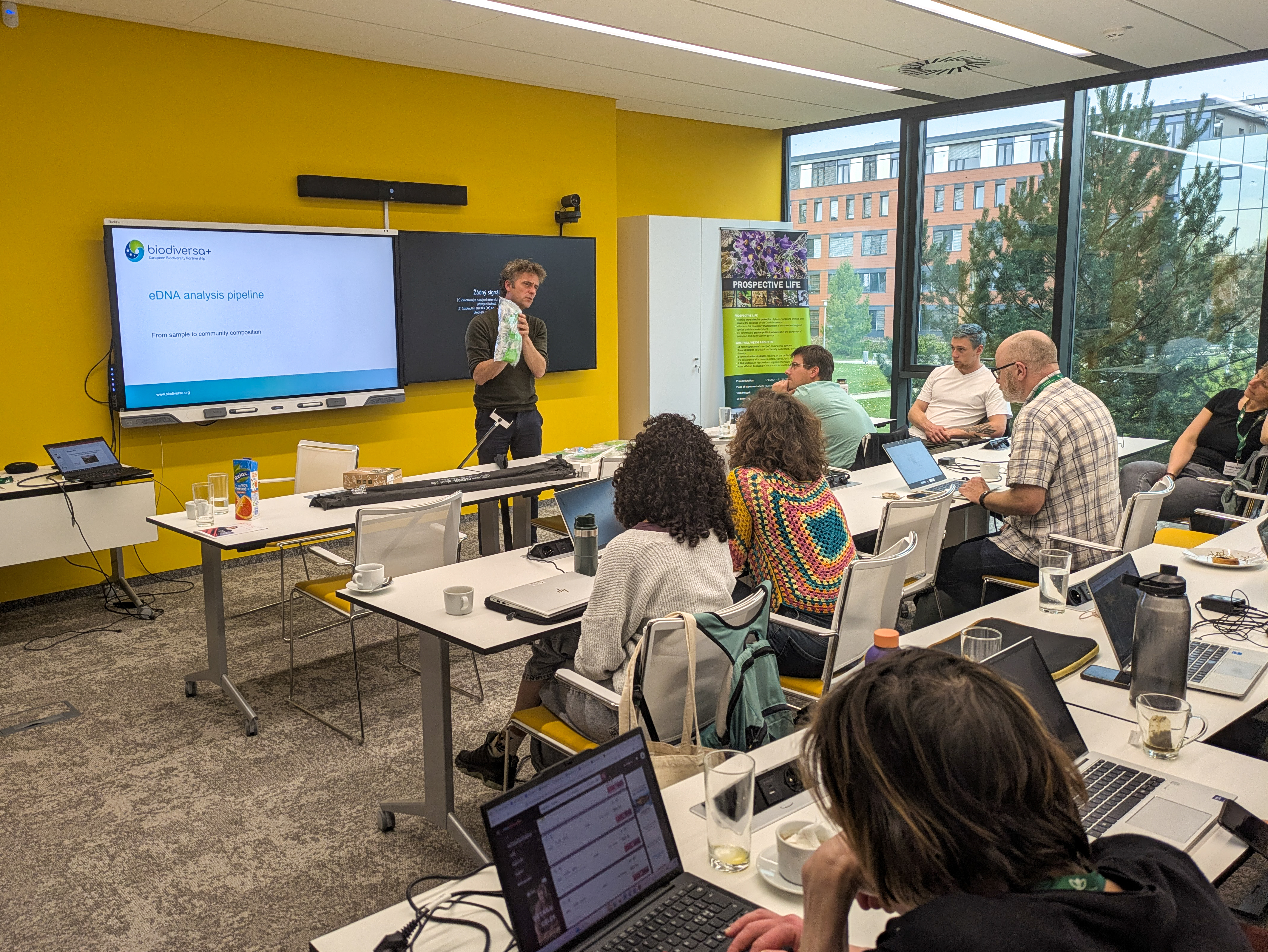
On 16 and 17 April 2025, partners of the BiodivPond Pilot convened in České Budějovice, Czechia, for an intensive in-person workshop dedicated to piloting a harmonised European pond biodiversity monitoring scheme. The workshop focused on sharing relevant expertise among the partners and refining the standardised protocols that will be implemented across a network of 80 ponds in late spring 2026. With minor adjustments, these protocols will provide core guidance for stakeholders involved in sampling an additional 500 ponds in 2027. As part of the Biodiversa+ partnership, BiodivPond will hence pilot a truly pan-European scheme focusing on small ponds.
The core objective of the pilot is to evaluate the effectiveness of novel monitoring techniques, specifically eDNA and passive acoustic monitoring PAM, by comparing them against traditional survey methods. These advancements are particularly relevant in the context of the ambitious restoration goals set by EU Regulation 2024/1991, which requires efficient assessment of species status and conservation success. Participants therefore spent several hours refining the protocols to ensure that data from the 2026 sampling season generate a dataset useful for comparing all three methods.
Key areas of focus during the workshop included:
🔊 Acoustic Monitoring: Discussions centred on standardising monitoring for bats and frogs, covering device orientation, height, and the use of AI for processing records.
🧬 eDNA Sampling: Partners reviewed sampling pipelines for community composition and targeted monitoring of protected species, such as the diving beetle Graphoderus bilineatus.
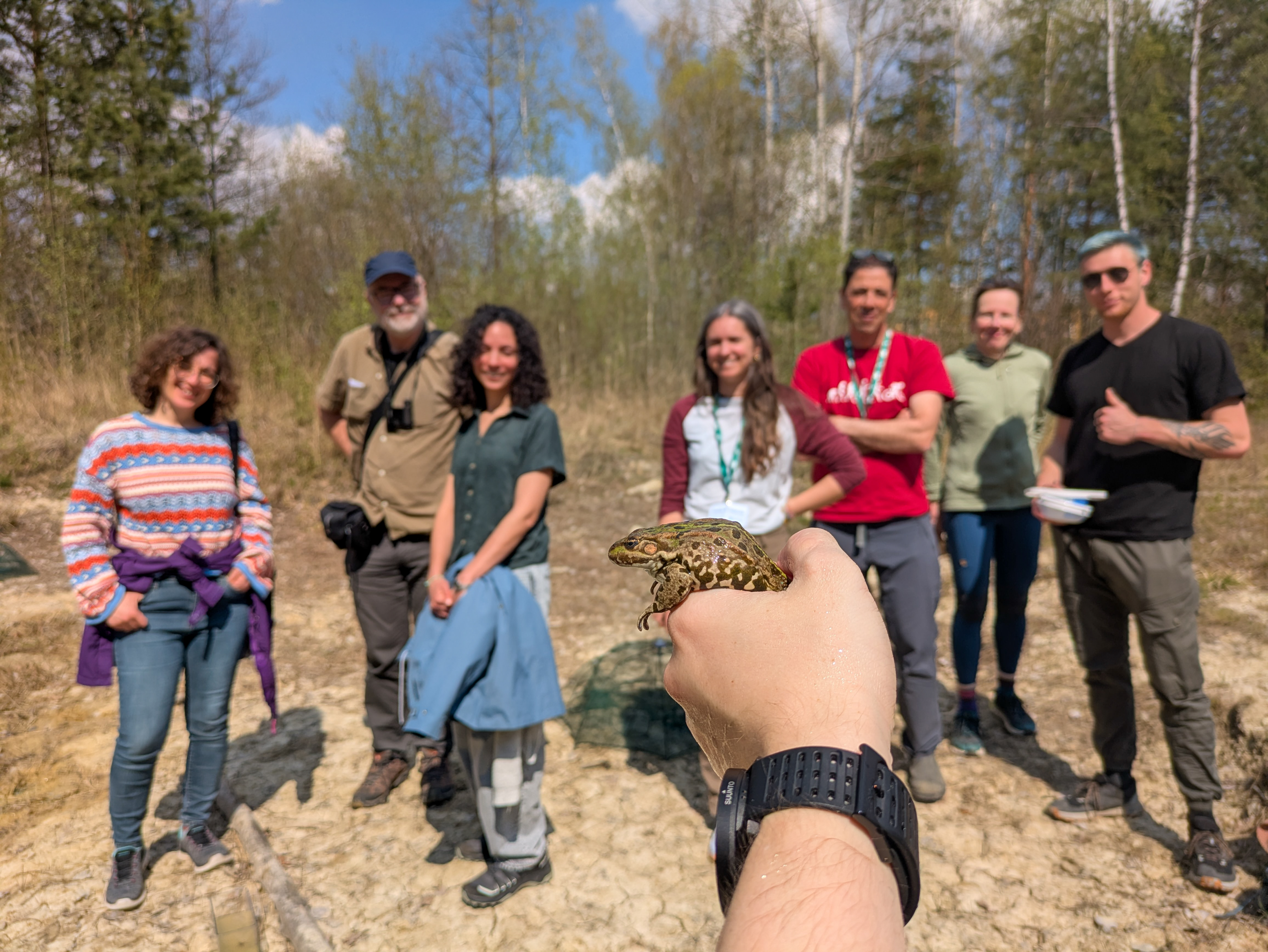
🔬 Traditional Methods: The continued role of sweep-netting for macroinvertebrates and umbrella trapping for amphibians was reinforced to ensure robust data comparison across different methods.
🧑🔬 Citizen Science & Logistics: Sessions addressed the design of a participatory monitoring scheme and the complex logistics of managing samples and data across a transnational network.
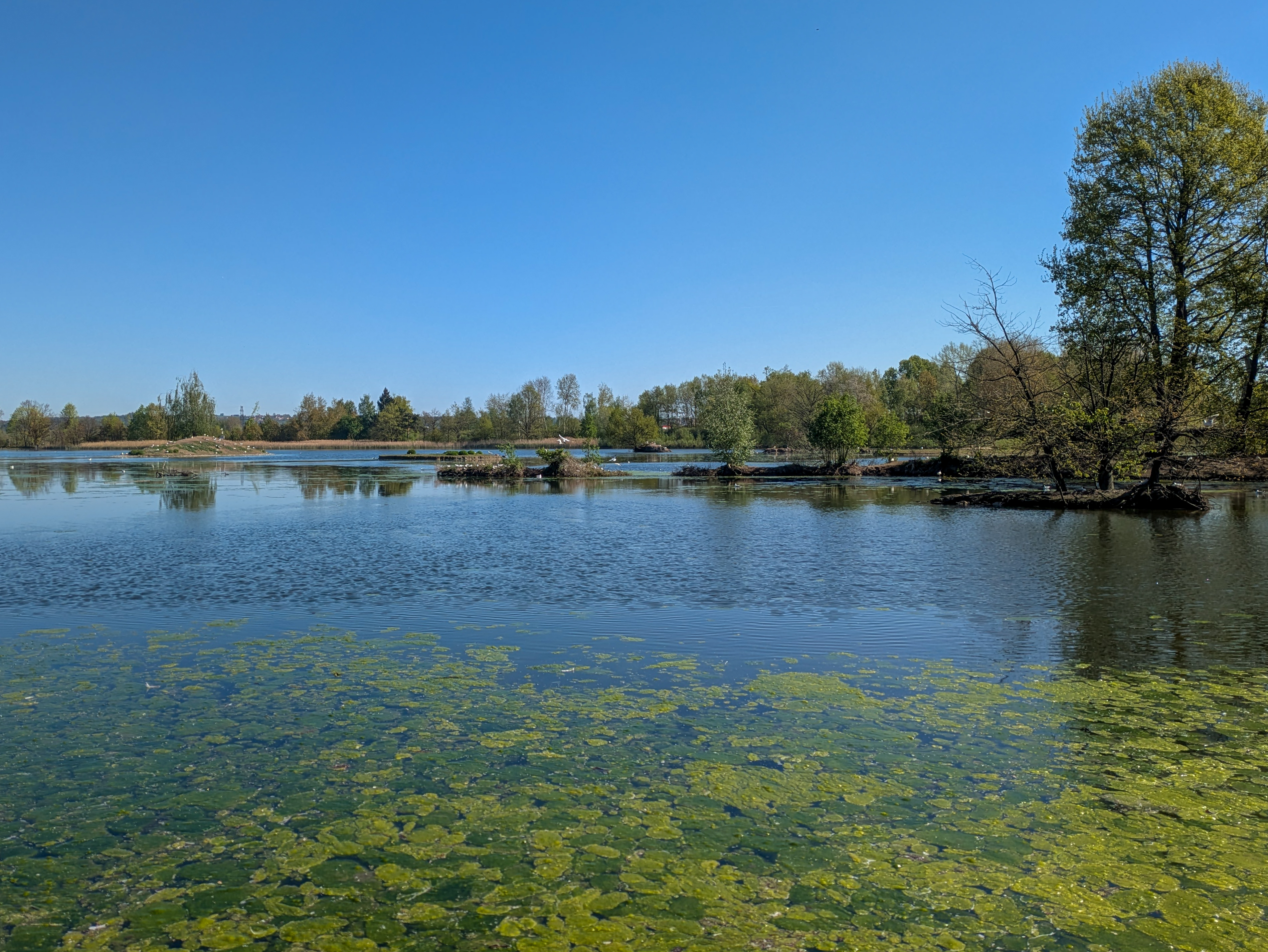
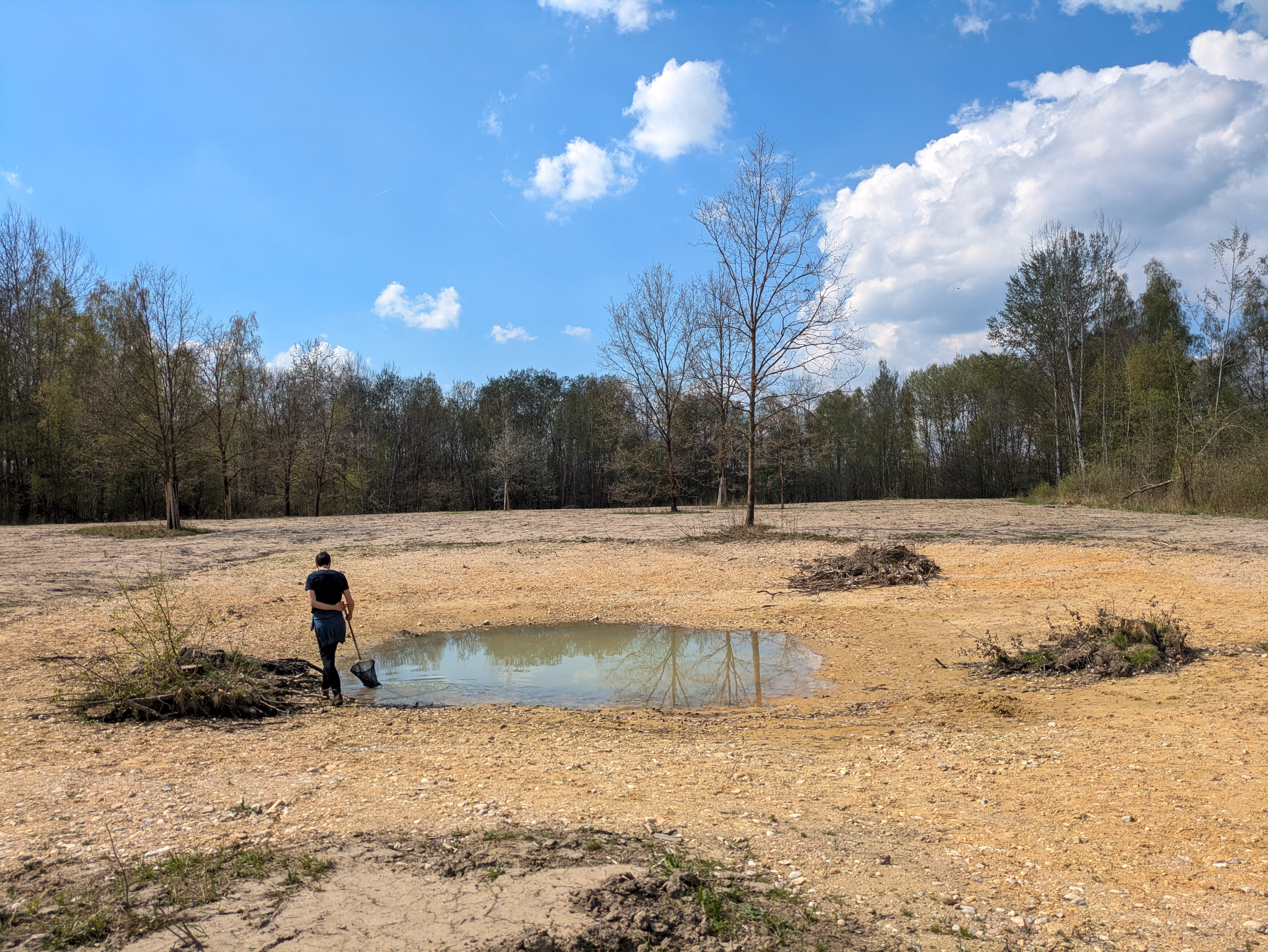
The workshop concluded with a field excursion to the Vrbenské pondscape, a local Natura 2000 site. This visit provided a practical look at pond restoration in practice and allowed partners to witness the effectiveness of the umbrella traps that will be deployed during the pilot. Visiting a number of ponds also sparked a discussion on how to define a site for the pilot’s purposes. These collaborative efforts are essential for establishing a harmonised, Europe-wide framework for pond conservation research.